
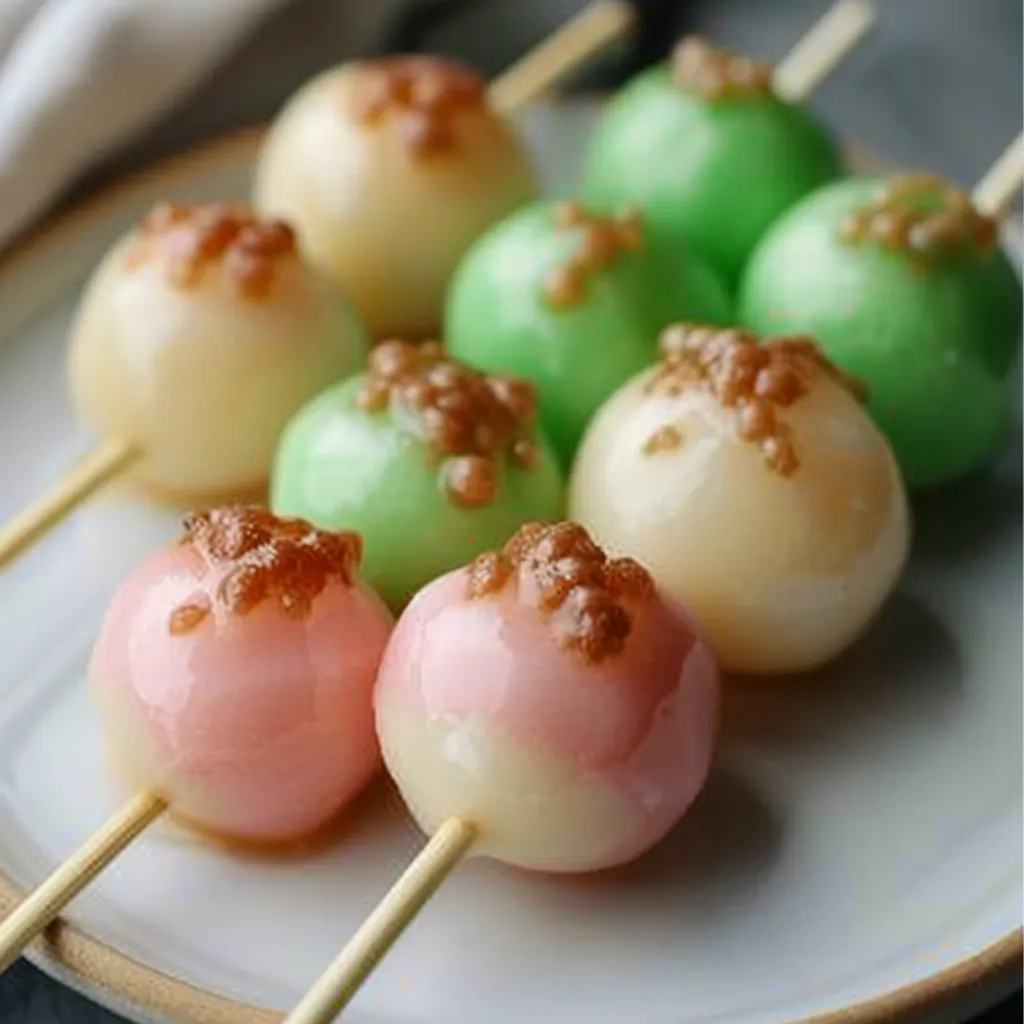
Dango is a delightful Japanese treat that has captured the hearts of many around the world. This sweet dumpling, made primarily from rice flour, is not only delicious but also holds significant cultural importance in Japan. Each bite of dango offers a unique texture and flavor experience that can range from sweet to savory. With its beautiful presentation, dango is often enjoyed during festivals and special occasions, making it an integral part of Japanese culinary heritage.
If you’ve never tasted dango before, you’re in for a treat! The chewy, satisfying texture combined with various toppings makes it a versatile snack that can cater to different palates. From the classic sweet soy sauce glaze to innovative flavor combinations, the possibilities are endless. In this ultimate guide, we’ll explore why dango is adored by many, how it’s made, and dive into five amazing variations that will surely impress your friends and family. Whether you’re a dango enthusiast or a newcomer, you’ll find something to love in this incredible treat.
Dango is not just food; it’s a cultural experience. Each variation reflects different aspects of Japanese tradition and seasonal changes. The vibrant colors and artistic presentation make it a feast for the eyes as well. As we journey through this guide, you’ll discover tips for preparation, serving suggestions, and the essential ingredients required to create your own delicious dango at home. Let’s get started on this sweet adventure!
Why You’ll Love This Recipe
Dango has several qualities that make it truly special. Here are some reasons why you’ll fall in love with these delightful dumplings:
1. Cultural Significance: Dango is steeped in tradition, often enjoyed during festivals like Hanami, where people celebrate the cherry blossoms.
2. Versatile Flavors: With options ranging from sweet to savory, there’s a dango variation for everyone.
3. Easy to Make: The recipe is straightforward, making it accessible for home cooks of all skill levels.
4. Visual Appeal: The colorful presentation of dango on skewers is sure to impress guests.
5. Healthy Option: Made from rice flour and often served with natural toppings, dango can be a healthier dessert choice.
6. Perfect for Sharing: Its bite-sized pieces make it ideal for social gatherings or family celebrations.
These factors contribute to dango’s popularity and make it a must-try treat for anyone interested in Japanese cuisine!
Preparation and Cooking Time
Making dango is not only fun but also relatively quick. Here’s how long you can expect to spend on this delightful treat:
– Preparation Time: 30 minutes
– Cooking Time: 15 minutes
– Cooling Time: 10 minutes
Overall, you can whip up a batch of dango in about 55 minutes. This short timeframe makes it an excellent choice for a last-minute snack or dessert!
Ingredients
– 1 cup sweet rice flour (mochi flour)
– 1/4 cup water (adjust as necessary)
– 1/4 cup sugar (or to taste)
– 1 tablespoon soy sauce (for savory variations)
– Optional toppings (e.g., sweet soy sauce glaze, red bean paste, matcha powder, sesame seeds, or kinako)
Step-by-Step Instructions
Creating dango is simple and enjoyable. Follow these steps to make your own delicious dumplings:
1. Mix Dry Ingredients: In a bowl, combine the sweet rice flour and sugar until well mixed.
2. Add Water: Gradually add water to the dry mixture, stirring continuously until a dough forms. The dough should be slightly sticky but moldable.
3. Knead the Dough: Transfer the dough to a clean surface and knead it gently for a few minutes until smooth.
4. Shape the Dumplings: Divide the dough into small pieces, about the size of a tablespoon. Roll each piece into a ball.
5. Boil Water: In a pot, bring plenty of water to a boil. Carefully drop the dango balls into the boiling water.
6. Cook the Dango: Boil the dumplings for about 5-8 minutes or until they float to the surface, indicating they are cooked through.
7. Cool the Dumplings: Remove the dango from the pot and place them in a bowl of cold water to cool.
8. Prepare Toppings: While the dumplings cool, prepare your desired toppings. For sweet dango, mix soy sauce and sugar to create a glaze.
9. Skewer the Dango: Once cool, thread the dumplings onto skewers, typically three to four per skewer.
10. Add Toppings: Brush or drizzle your toppings on the dango before serving.
With these steps, you’ll have a batch of delightful dango ready to enjoy!
How to Serve
Serving dango can be an art in itself. Here are some suggestions to elevate your dango experience:
1. Presentation: Arrange the skewered dango on a decorative plate or a bamboo mat for an authentic look.
2. Accompaniments: Pair dango with traditional Japanese tea for a complete experience.
3. Flavor Pairing: Consider offering a variety of toppings on the side, allowing guests to customize their dango.
4. Occasions: Dango is perfect for festivals, family gatherings, or even as a sweet treat during a movie night.
5. Dessert Table: Include dango as part of a larger dessert spread featuring other Japanese treats like mochi or taiyaki.
By keeping these serving tips in mind, you can create a memorable dango experience for yourself and your guests!
Additional Tips
– Experiment with Flavors: Don’t hesitate to add different flavorings to the dango dough, such as matcha or black sesame. This can elevate the taste and add a unique twist.
– Use Food Coloring: For a festive touch, consider adding food coloring to the dough. This is especially popular during celebratory events and can make your dango visually appealing.
– Try Different Toppings: Beyond the traditional sweet soy sauce glaze, explore toppings like chocolate sauce, fruit purées, or sweetened condensed milk to enhance the flavor.
Recipe Variation
Here are some exciting variations of dango you can try:
1. Hanami Dango: A traditional variation that features three colors – pink, white, and green – representing the cherry blossoms. Use food coloring to achieve the desired colors.
2. Savory Dango: Incorporate savory ingredients like miso into the dough or serve with a soy sauce and vinegar dip for a different taste experience.
3. Sweet Red Bean Dango: Top your dango with sweet red bean paste for a deliciously sweet and creamy addition that complements the chewy texture.
Freezing and Storage
– Storage: Keep any leftover dango in an airtight container at room temperature for up to two days. If you prefer them chilled, store in the refrigerator for up to a week.
– Freezing: Dango can be frozen for longer storage. Place them in a single layer on a baking sheet until frozen, then transfer to a freezer-safe bag. They can last up to three months in the freezer. Thaw them at room temperature before serving.
Special Equipment
To make dango successfully, you will need the following equipment:
– Mixing bowls for combining ingredients
– A pot for boiling water
– A skewer for threading the dango
– A rolling pin (optional) for flattening the dough if desired
– A spoon for stirring and shaping the dough
Frequently Asked Questions
What is the best way to cook dango?
Boiling is the most common method. It ensures that the dango cooks evenly and develops the right chewy texture.
Can I make dango gluten-free?
Yes! Substitute sweet rice flour with a gluten-free flour blend. However, ensure the blend contains sticky ingredients for the best texture.
How do I know when my dango is done cooking?
Dango is ready when it floats to the surface of the boiling water. This usually takes about 5-8 minutes.
Can I use regular rice flour instead of sweet rice flour?
No, sweet rice flour (mochi flour) is essential for achieving the chewy texture of dango. Regular rice flour will not yield the same results.
What should I do if my dango dough is too sticky?
If your dough is too sticky, gradually add more sweet rice flour until it reaches a manageable consistency.
Conclusion
Dango is a wonderful Japanese treat that brings both flavor and cultural significance to the table. Whether enjoyed during festivals or as a delightful everyday snack, its versatility makes it appealing to many. With various flavors and toppings to explore, dango can be customized to suit any palate. By following the tips and variations provided in this guide, you can create your own delicious dango at home and share this incredible experience with friends and family.

Dango: An Amazing Ultimate Guide to the 5 Best Variations
- Total Time: 30 minutes
Ingredients
– 1 cup sweet rice flour (mochi flour)
– 1/4 cup water (adjust as necessary)
– 1/4 cup sugar (or to taste)
– 1 tablespoon soy sauce (for savory variations)
– Optional toppings (e.g., sweet soy sauce glaze, red bean paste, matcha powder, sesame seeds, or kinako)
Instructions
Creating dango is simple and enjoyable. Follow these steps to make your own delicious dumplings:
1. Mix Dry Ingredients: In a bowl, combine the sweet rice flour and sugar until well mixed.
2. Add Water: Gradually add water to the dry mixture, stirring continuously until a dough forms. The dough should be slightly sticky but moldable.
3. Knead the Dough: Transfer the dough to a clean surface and knead it gently for a few minutes until smooth.
4. Shape the Dumplings: Divide the dough into small pieces, about the size of a tablespoon. Roll each piece into a ball.
5. Boil Water: In a pot, bring plenty of water to a boil. Carefully drop the dango balls into the boiling water.
6. Cook the Dango: Boil the dumplings for about 5-8 minutes or until they float to the surface, indicating they are cooked through.
7. Cool the Dumplings: Remove the dango from the pot and place them in a bowl of cold water to cool.
8. Prepare Toppings: While the dumplings cool, prepare your desired toppings. For sweet dango, mix soy sauce and sugar to create a glaze.
9. Skewer the Dango: Once cool, thread the dumplings onto skewers, typically three to four per skewer.
10. Add Toppings: Brush or drizzle your toppings on the dango before serving.
With these steps, you’ll have a batch of delightful dango ready to enjoy!
- Prep Time: 15 minutes
- Cook Time: 15 minutes
Nutrition
- Serving Size: 4
- Calories: 220 kcal
- Fat: 1g
- Protein: 3g