
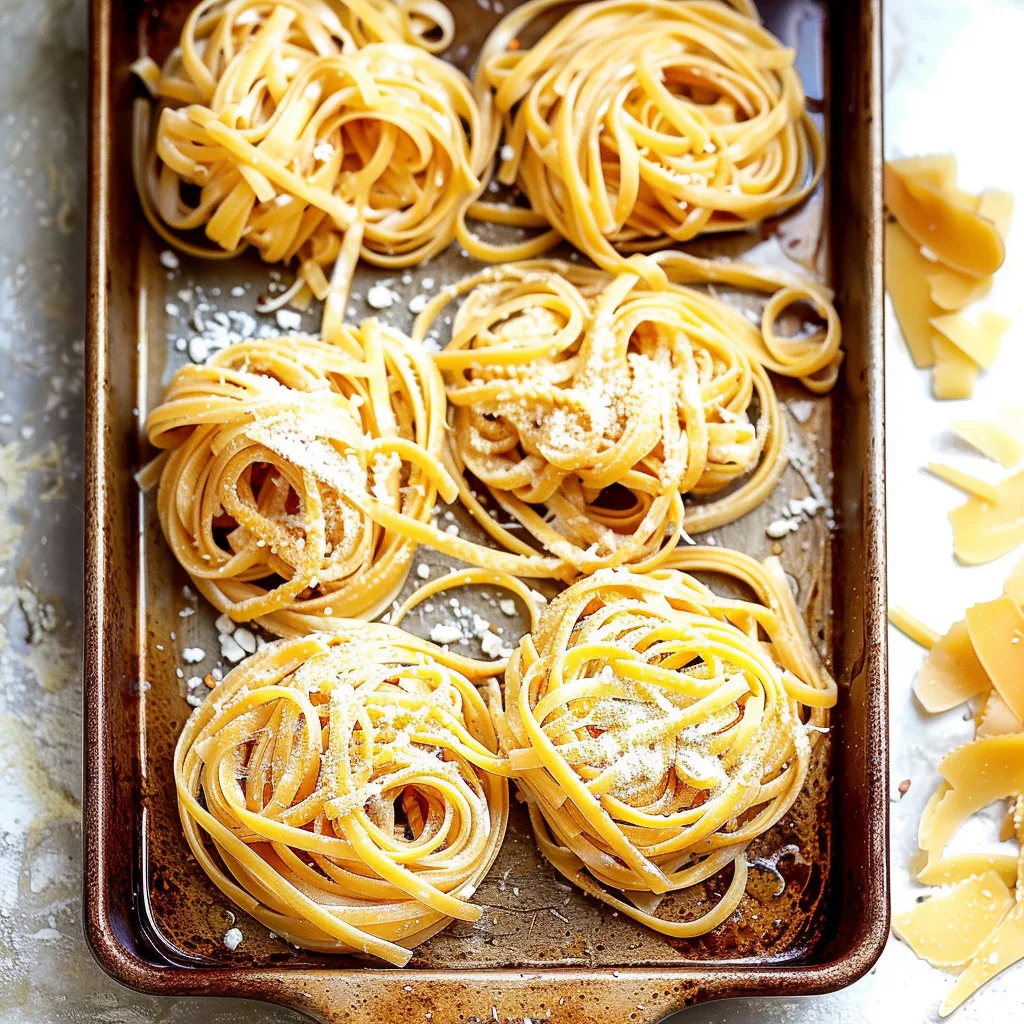
Homemade pasta is a culinary delight that transforms any meal into an unforgettable experience. The simplicity of the ingredients combined with the love and effort put into its creation makes it a remarkable addition to your dining table. Imagine the incredible aroma of freshly made pasta wafting through your kitchen, enticing your family and friends to gather around. This hands-on process not only brings joy but also rewards you with a delicious product that can elevate any dish.
If you’ve ever enjoyed a plate of perfectly cooked pasta, you understand the difference between store-bought and homemade. The texture, flavor, and overall satisfaction of enjoying freshly made pasta are simply unmatched. In this article, you will discover why making your own pasta is a rewarding experience, how to prepare it step-by-step, and tips for serving it perfectly. Whether you’re a novice or an experienced cook, homemade pasta is an achievement that will impress everyone around you.
With just a few basic ingredients, you can create a variety of pasta shapes and styles, tailored to your taste preferences. From classic spaghetti to delicate fettuccine, the possibilities are endless. Each bite of homemade pasta offers a unique texture and flavor that complements various sauces and toppings. Let’s dive into what makes homemade pasta a must-try recipe and how you can easily make it at home!
Why You’ll Love This Recipe
Homemade pasta is not just about the dish itself; it’s an experience filled with creativity and satisfaction. Here are some reasons why you’ll fall in love with this incredible recipe:
1. Freshness: Homemade pasta is made from scratch, ensuring the freshest taste and texture.
2. Customization: You can experiment with different flours, flavors, and shapes to suit your palate.
3. Simplicity: The basic ingredients are easy to find, making it accessible for anyone.
4. Family Fun: Making pasta can be a fun activity to share with family or friends, creating lasting memories.
5. Healthy Options: Control the ingredients and make healthier choices, such as whole wheat or gluten-free pasta.
6. Satisfying Process: The act of kneading and rolling out the dough is therapeutic and rewarding.
With these compelling reasons, it’s no wonder that homemade pasta has become a beloved culinary tradition around the world. Each step of the process adds to the enjoyment, culminating in a dish that’s not only delicious but also crafted with care.
Preparation and Cooking Time
Creating homemade pasta is a fulfilling experience, and it doesn’t require a lot of time. Here’s a breakdown of the estimated time involved:
– Preparation Time: 30 minutes
– Resting Time: 30 minutes
– Cooking Time: 5-7 minutes (for fresh pasta)
In total, you can expect the entire process to take about 1 hour and 10 minutes. This timeline may vary slightly depending on your skill level and kitchen setup, but it is a relatively quick process for the delicious reward you’ll receive.
Ingredients
– 2 cups all-purpose flour (plus extra for dusting)
– 3 large eggs
– 1 teaspoon salt
– 1 tablespoon olive oil (optional)
– Water (as needed)
Step-by-Step Instructions
Making homemade pasta is a straightforward process if you follow these easy steps:
1. Prepare the Dough: Place the flour on a clean surface or in a mixing bowl. Create a well in the center and add the eggs, salt, and olive oil.
2. Mix the Ingredients: Using a fork, gradually incorporate the flour from the edges of the well into the eggs until a rough dough forms.
3. Knead the Dough: Transfer the dough to a lightly floured surface. Knead for about 8-10 minutes until smooth and elastic. If the dough is too dry, add a little water; if too sticky, add more flour.
4. Rest the Dough: Wrap the kneaded dough in plastic wrap or cover it with a clean cloth. Let it rest for at least 30 minutes at room temperature. This allows the gluten to relax, making it easier to roll out.
5. Roll Out the Dough: After resting, divide the dough into four pieces. Keep the unused pieces covered. Roll out one piece at a time to your desired thickness, using a rolling pin or pasta machine.
6. Cut the Pasta: Once rolled out, cut the pasta into your preferred shape: tagliatelle, fettuccine, or lasagna sheets. Dust with flour to prevent sticking.
7. Cook the Pasta: Bring a large pot of salted water to a boil. Add the freshly cut pasta and cook for 5-7 minutes until al dente. Fresh pasta cooks faster than dried.
8. Drain and Serve: Once cooked, drain the pasta and toss it with your favorite sauce or toppings.
These steps will guide you in creating amazing homemade pasta that can elevate any meal to a restaurant-quality experience.
How to Serve
To ensure your homemade pasta is served perfectly, consider the following tips:
1. Presentation: Twirl the pasta onto plates for a visually appealing presentation. Garnish with fresh herbs or grated cheese.
2. Pairing Sauces: Choose sauces that complement the pasta shape. Light sauces work well with delicate pasta, while thicker sauces suit sturdier shapes.
3. Add Protein and Vegetables: Enhance your dish by adding cooked meats, seafood, or seasonal vegetables for a complete meal.
4. Serving Temperature: Serve the pasta immediately after cooking for the best texture and flavor. If needed, keep it warm by tossing it lightly in the pan with the sauce.
5. Accompaniments: Offer freshly grated cheese, olive oil, or chili flakes on the side to allow guests to customize their servings.
By following these serving tips, you’ll create a memorable dining experience that showcases your incredible homemade pasta. Enjoy!
Additional Tips
– Use High-Quality Flour: For the best results, use high-quality all-purpose or semolina flour. This will enhance the pasta’s texture and flavor.
– Experiment with Colors: You can incorporate different ingredients, such as spinach or beetroot, to create colorful pasta. This adds visual appeal and unique flavors.
– Keep the Dough Covered: When working with the dough, always keep it covered to prevent it from drying out.
– Adjust for Humidity: Depending on your environment, you may need to adjust the amount of flour or water. Humid conditions may require more flour, while dry conditions may need a bit more water.
– Have Patience: Don’t rush the kneading process. Proper kneading develops the gluten and creates better texture.
Recipe Variation
There are countless ways to vary your homemade pasta recipe. Here are a few ideas to inspire you:
1. Herbed Pasta: Add finely chopped fresh herbs, like basil or parsley, into the dough for extra flavor and an aromatic touch.
2. Flavored Pasta: Mix in ingredients such as garlic powder, chili flakes, or even squid ink for distinctive taste and color variations.
3. Different Shapes: Try making different pasta shapes like ravioli, tortellini, or gnocchi. Each shape can lend itself to various sauces and presentations.
4. Whole Wheat Pasta: Substitute half or all of the all-purpose flour with whole wheat flour for a heartier and healthier option.
5. Gluten-Free Variation: Use a gluten-free flour blend to create pasta suitable for those with gluten sensitivities.
Freezing and Storage
– Storage: Uncooked pasta can be stored in the refrigerator for up to 2 days. Ensure it is well covered to prevent drying out.
– Freezing: To freeze homemade pasta, lay it flat on a baking sheet lined with parchment paper. Once frozen, transfer it to an airtight container or freezer bag. It can be stored for up to 2 months.
– Cooking from Frozen: You can cook frozen pasta directly from the freezer without thawing. Just add an extra minute or two to the cooking time.
Special Equipment
While you can make pasta with minimal tools, having a few specialized items can enhance your experience:
– Pasta Machine: A pasta machine helps achieve the perfect thickness and uniformity in pasta sheets.
– Rolling Pin: If you don’t have a pasta machine, a good rolling pin is essential for rolling out the dough.
– Bench Scraper: This tool can help you handle the dough and cut it into shapes without sticking.
– Pasta Cutter: A dedicated pasta cutter or knife can make cutting pasta shapes easier and more precise.
– Drying Rack: A drying rack is useful if you want to dry your pasta before cooking or freezing it.
Frequently Asked Questions
Can I make pasta without eggs?
Yes, you can make egg-free pasta using just flour and water. This is often referred to as “vegan pasta.”
How do I know when my pasta is cooked?
Fresh pasta cooks quickly, usually within 5-7 minutes. Taste a piece to check for doneness; it should be tender yet firm to the bite.
Can I use a food processor to make the dough?
Absolutely! A food processor can make the process faster by mixing the ingredients and kneading the dough for you.
What sauces pair well with homemade pasta?
Light sauces like olive oil and garlic, or creamy sauces like Alfredo, work beautifully with homemade pasta. Pair thicker sauces with sturdier pasta shapes.
How long can I store cooked pasta?
Cooked pasta can be stored in the refrigerator for 3-5 days in an airtight container.
Conclusion
Homemade pasta is a rewarding culinary adventure that brings a sense of achievement and joy. The process may seem daunting at first, but with practice and patience, you can create a delicious dish that rivals any restaurant experience. Whether you’re experimenting with different shapes, flavors, or sauces, homemade pasta offers endless possibilities for creativity. Gather your ingredients, roll up your sleeves, and enjoy the wonderful journey of making homemade pasta from scratch!

Homemade Pasta: An Incredible Ultimate Recipe for 5-Star Taste
- Total Time: 15 minute
Ingredients
– 2 cups all-purpose flour (plus extra for dusting)
– 3 large eggs
– 1 teaspoon salt
– 1 tablespoon olive oil (optional)
– Water (as needed)
Instructions
Making homemade pasta is a straightforward process if you follow these easy steps:
1. Prepare the Dough: Place the flour on a clean surface or in a mixing bowl. Create a well in the center and add the eggs, salt, and olive oil.
2. Mix the Ingredients: Using a fork, gradually incorporate the flour from the edges of the well into the eggs until a rough dough forms.
3. Knead the Dough: Transfer the dough to a lightly floured surface. Knead for about 8-10 minutes until smooth and elastic. If the dough is too dry, add a little water; if too sticky, add more flour.
4. Rest the Dough: Wrap the kneaded dough in plastic wrap or cover it with a clean cloth. Let it rest for at least 30 minutes at room temperature. This allows the gluten to relax, making it easier to roll out.
5. Roll Out the Dough: After resting, divide the dough into four pieces. Keep the unused pieces covered. Roll out one piece at a time to your desired thickness, using a rolling pin or pasta machine.
6. Cut the Pasta: Once rolled out, cut the pasta into your preferred shape: tagliatelle, fettuccine, or lasagna sheets. Dust with flour to prevent sticking.
7. Cook the Pasta: Bring a large pot of salted water to a boil. Add the freshly cut pasta and cook for 5-7 minutes until al dente. Fresh pasta cooks faster than dried.
8. Drain and Serve: Once cooked, drain the pasta and toss it with your favorite sauce or toppings.
These steps will guide you in creating amazing homemade pasta that can elevate any meal to a restaurant-quality experience.
- Prep Time: 30 minutes
- Cook Time: 5-7 minutes
Nutrition
- Serving Size: 4
- Calories: Approximately 220 kcal per serving
- Fat: 4g
- Protein: 10g